

The Pisan territory
The Pisan territory
The municipality of Buti is surrounded by the Pisan mountains that reach a height of 1,000 meters above sea level, which create a barrier around the village and farmsteads, within which, in the valley, is the town center.
These mountains protect the valley from the brackish-laden winds from the sea and partly also from the cold winter tramontana winds, the micro-climate that is created favors the cultivation of olive trees, vines etc... Which produce high quality fruit.
In the late 1800s the large landowners of the municipality understood the quality of this valley and began to change the physiognomy of the mountain, from the plain up to an elevation of several hundred meters the land was transformed, the chestnut trees and other shrubs were partly removed and the slopes of the land gave way to terracing with dry stone walls, white roads and hydraluic works to collect rainwater. On these new tearraces were planted mainly olive trees of the frantoiane species, and some moraiole, leccino and mignole; and in some smaller areas in the lower belt and on the plains also vineyards with the typical spoiled chianti classico.
In the commune cooperatives of peasant laborers were created who by hand (with the few working tools at their disposal and trailing animals), with great artistic skill, worked for years on this work of transforming the land and gradually also became the wise farmers of such crops whose secrets they already knew from previous generations.
In the valley plain, in the various points useful for cultivation and close to streams were built many more oil mills to which at harvest time the various farmers brought the olives for pressing and division of shares with the landowner (a few farmers also owned the plot of land they worked).
Buti oil was taken to fairs and competitions where it won important awards.
Each peasant family received from the landowner a modest dwelling for themselves and their family, which was often large, a certain number of olive trees to cultivate, if possible also a small vineyard, a piece of woodland for firewood in the fireplace and for cooking, premises where they could raise some animals such as calves, dairy cows, chickens, rabbits etc.. Useful for the needs of the family or for a small subsistence trade.
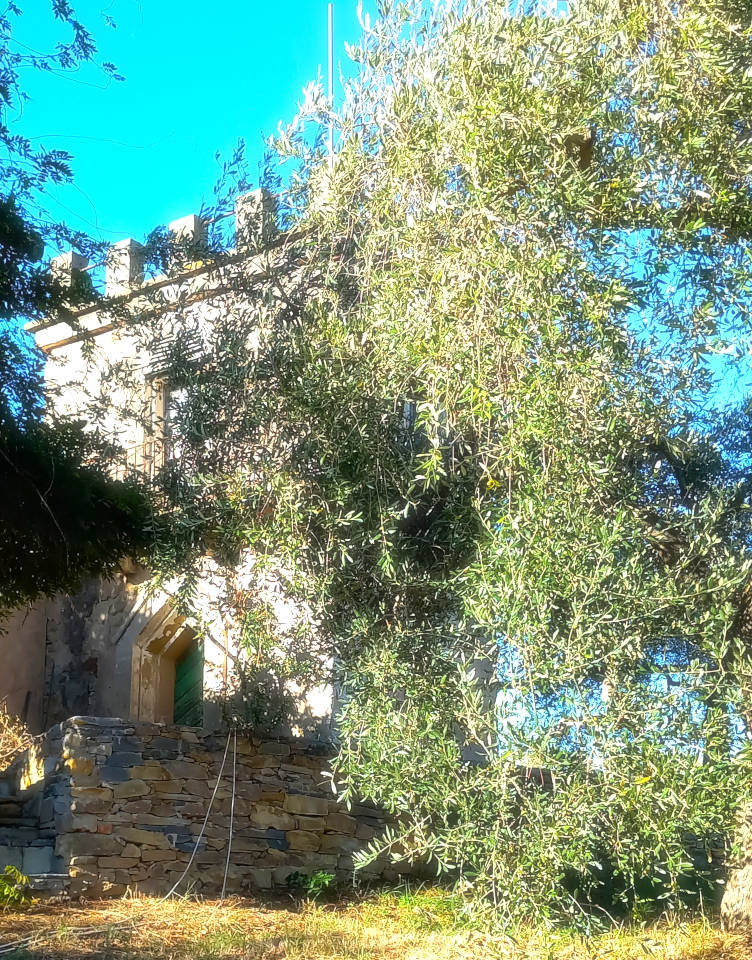
Torretta
Nella proprieta’ della famiglia Buti vi sono sia il casolare che la casa padronale con annessa una torretta di epoca molto piu’ antica, questa torre con muri molto spesse e costruita con pietre e massi del posto e’ servita da appoggio per la casa eretta nei primi anni del ‘900 come residenza, in alcuni periodi dell’anno, della famiglia proprietaria del fondo, normalmente in primavera ed in autunno.
La torre fu eretta alcuni secoli fa (la data precisa non la sappiamo, forse 1600, comunque nel periodo della repubblica pisana) come punto di osservazione della zona circostante in particolara la pianura (padule di sextum) sottostante e le strade nele colline vicine. Essa veniva presidiata da una piccola guarnigione, forse 2 o 3 persone al massimo, le quali inviavano dei segnali con i riflessi del sole sugli specchi alle altre torri presenti lungo le aperture della valle di buti, per proseguire lungo i monti pisani verso Vicopisano (fortificata su disegno del brunelleschi), Calci, fino altre torri nel piano di Pisa ed arrivare alla citta’ di Pisa.
Di questa torre rimangono solo alcune parti ancora originali, sicuaremente la porta di ingresso (il pezzo piu’ bello), la forma di alcune finestrine, una parte del terrazzino al primo piano, il forno di cottura nella cucina a piano terra. Il resto, nel corso dei secoli, e’ stato modificato e riadattato agli usi di una abitazione in cui alloggiavano i componenti della famiglia del proprietario con la servitu’ e l’autista che li seguiva nei vari spostamenti fra le varie abitazioni di cui disponeva la famiglia nel territorio pisano, quella in citta’ a Pontedera e quella al mare di marina di Pisa o Tirrenia.